New Dubai Metro Blue Line Reshapes East-to-West Connectivity
- Improved east-to-west mobility The New Dubai Metro Blue Line forms part of the Roads and Transport Authority expansion plan.
- Approximately 30 kilometers and 14 stations The route extends from the Creek area toward developing suburbs such as Dubai Silicon Oasis.
- Scheduled passenger service from 2029 The project supports Dubai’s growing population and the gradual decentralization of the city.
- Capacity for 320,000 daily passengers Improved property access and connectivity can support long-term value for investors.
For investors who track urban infrastructure, the New Dubai Metro Blue Line is more than a transport project; it is a signal of future demand. Planned by the RTA, it will redirect commuter flows and introduce stations in emerging hubs such as Dubai Silicon Oasis and Academic City. With more than 10 years of local experience, Innvesta observes that each new metro stop often unlocks residential potential, especially when it creates interchange stations that raise both accessibility and desirability. Part of the Dubai 2040 Urban Master Plan, the Blue Line should act as a strategic multiplier for long-term property value. The sections below explain its route, key opportunities, and why choosing the right location today can shape tomorrow’s performance.
What Does the Blue Line Change for Everyday Travel?
Lengthy commutes and congestion still affect many Dubai residents, especially when they cross older and newer districts. The New Dubai Metro Blue Line aims to create smooth, predictable travel. Developed under the vision of Sheikh Mohammed bin Rashid Al Maktoum, it connects underserved growth zones with the city center and supports the 2040 master plan.
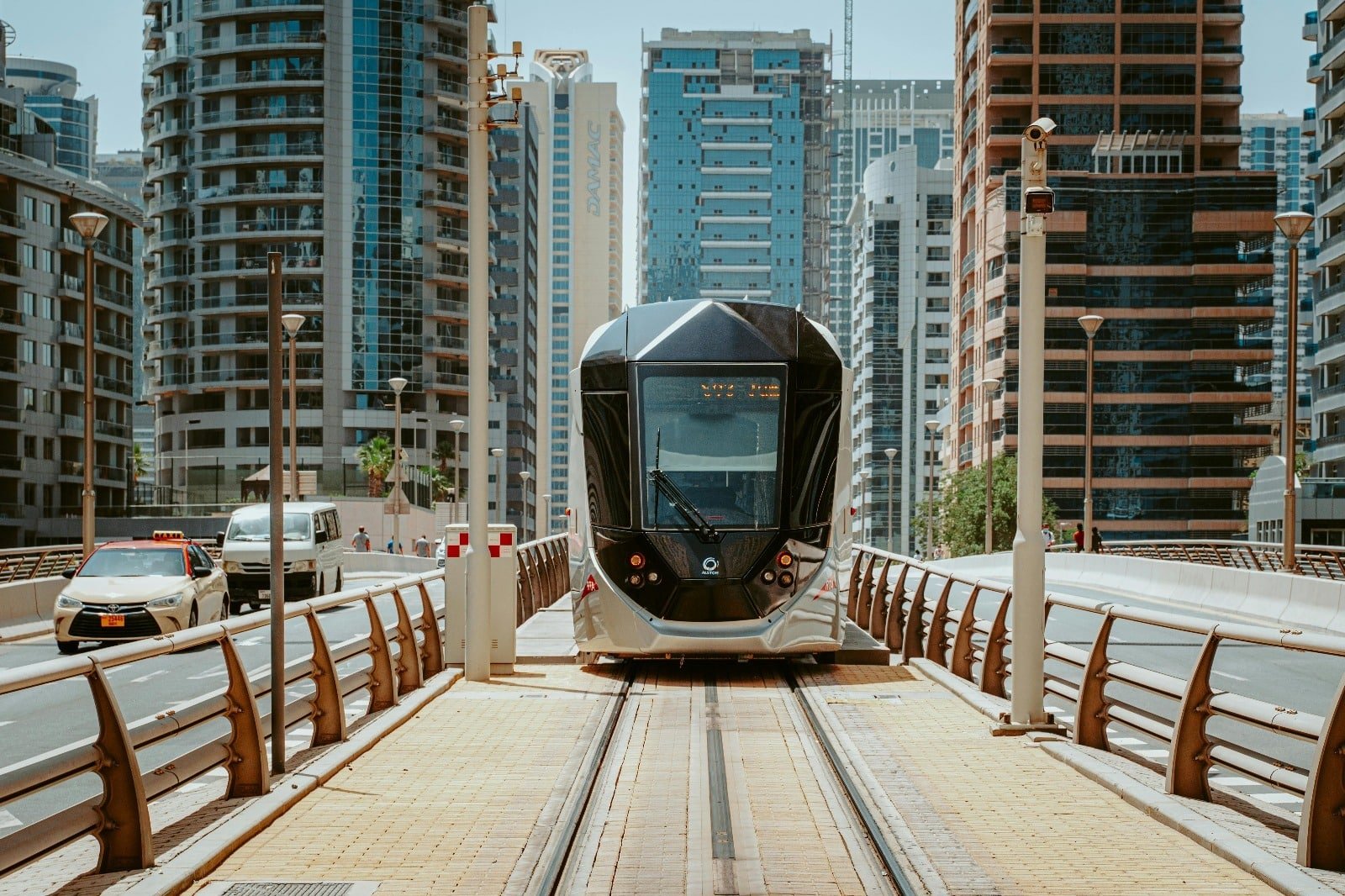
When complete, the 14 stations of the Blue Line will link residential, commercial, and logistics hubs, cutting journey times and reducing reliance on cars. Interchange access to the current red and green metro lines will make travel simpler for newcomers and long-term residents alike.
Higher frequency, large passenger capacity, and modern automation promise a smoother ride. For those new to the city, the clarity of an integrated network offers extra reassurance.
- Bur Dubai to Dubai Silicon Oasis Travel time drops from 50 to 25 minutes.
- Deira to International City Travel time drops from 45 to 20 minutes.
- Jumeirah Village Circle to Downtown The journey via a Blue Line interchange is expected to take roughly 30 minutes.
Each minute saved supports a more connected, liveable city, a key goal behind the Blue Line.
Detailed Route and Station Map Overview
The Blue Line will reshape connectivity along Dubai’s eastern corridor. A mix of elevated and underground tracks links the high-density Creek district with residential areas in Academic City and Mirdif. All 14 stations improve both mobility and property prospects.
Starting at Creek Station near Dubai Creek Harbour, trains run southeast below Ras Al Khor Road, cross International City, then continue to Dubai Silicon Oasis. The southern end serves Academic City and Mirdif, strengthening access to educational and family-oriented communities. An interchange with the Red Line is planned at Al Warqaa, giving residents direct links to the wider network.
A purpose-built depot will handle maintenance so that daily service remains reliable.
- Creek
- Dubai Creek Harbour
- Ras Al Khor
- Nad Al Hamar
- International City 1
- International City 2
- Dragon Mart
- Academic City
- Warsan
- Dubai Silicon Oasis
- Mirdif
- MES Station
- Industrial Area
- Al Warqaa
| Station | Interchange | Main development zones |
|---|---|---|
| Creek | Green Line | Dubai Creek Harbour |
| Dubai Creek Harbour | Palace Residences, Creek Beach | |
| Ras Al Khor | Industrial and logistics areas | |
| Nad Al Hamar | Nad Al Hamar community | |
| International City 1 | Warsan Village, Phase 1 clusters | |
| International City 2 | Al Warsan 4, extension zones | |
| Dragon Mart | Future Etihad Rail | Retail hub, mid-range housing |
| Academic City | Universities, student residences | |
| Warsan | Low-rise housing, development plots | |
| Dubai Silicon Oasis | Tech clusters, Cedre Villas | |
| Mirdif | Mirdif Hills, gated communities | |
| MES Station | Schools and local parks | |
| Industrial Area | Light manufacturing sector | |
| Al Warqaa | Red Line (planned) | Al Warqaa villas and apartments |
Integration with Red, Green, and Etihad Networks
The Blue Line will act as a multimodal connector, linking the Red Line, Green Line, and future Etihad Rail. Five planned interchange stations shorten transfer times and support unified ticketing through the Nol system.
Enhanced signaling and a shared passenger information system, operated by Keolis, provide real-time updates across modes. Each Blue Line stop is designed as a smart hub with park-and-ride facilities, drop-off zones, and first-mile or last-mile shuttles, aligning mobility goals with environmental targets.
| Connection | Current travel (min) | With Blue Line (min) |
|---|---|---|
| Al Qusais to Green Line | 22 | 8 |
| Al Maktoum Airport to Red Line | 45+ | 12 |
| Academic City to Etihad Rail | 60+ | 18 |
- Shorter journey times Passengers benefit from faster travel across interconnected metro and rail networks.
- Unified ticketing and live information The Nol system and mobile applications provide integrated tickets and real-time updates.
- Lower-emission infrastructure The fully electrified system supports Dubai’s environmental and sustainable-mobility objectives.
- Park-and-ride and shuttle services Key transport hubs support convenient first-mile and last-mile connections.
- Improved suburban accessibility Previously car-dependent neighborhoods gain stronger connections to central districts.
Construction Timeline, Budget, and Key Contractors
With an estimated cost of AED 18 billion, the Blue Line is one of Dubai’s largest transport investments. The RTA has appointed a consortium led by Parsons Corporation to manage design integration and cost control. Development covers nearly six years of phased work.
- November 2023 RTA approval of the Blue Line scheme.
- Q1 2024 Parsons named consortium lead.
- Q4 2024 Ground-breaking and utility relocation.
- 2025 to 2026 Tunneling beneath dense districts.
- 2027 to 2028 Track and systems installation.
- Mid-2029 Testing and commissioning.
- End-2029 Targeted public opening.
Projected Impact on Property Values Along the Corridor
Metro access has historically supported appreciation in Dubai. After the Green Line reached Al Qusais, nearby rents and occupancy rates climbed. A similar effect followed the Red Line through JLT and Business Bay. The Blue Line should replicate this pattern, especially in districts with underused land.
- Dubai Creek Harbour Direct metro access within a major waterfront master plan.
- Mirdif A family-focused residential area gaining faster links to the wider city.
- Al Warqaa A previously car-dependent district preparing to connect with the broader transport network.
As the city grows eastward, any property within walking distance of a Blue Line station gains a lasting advantage. To explore metro-connected areas, visit our page on Dubai Creek Harbour opportunities.
Tips for Investors and Residents Preparing Now
- Monitor preview launches Follow developers such as Emaar Properties or Sobha Realty. Early phases usually offer flexible payment plans and attractive entry points in zones influenced by the Blue Line.
- Time your booking around construction milestones Securing an off-plan unit before peak publicity can help lock in more favorable prices.
- Analyze future rental demand Stations with high expected passenger volumes may support stronger occupancy rates and rental yields.
- Prepare financing and legal requirements Use our 5-step investment process to organize the acquisition and move forward with confidence.
Key Takeaways for Investors
Dubai real estate remains a strategic option for buyers thanks to ongoing metro expansion and the opportunities it unlocks along the Blue Line. With stations serving business and residential districts, the outlook for long-term value is positive. At every stage, from locating opportunities to managing your property, Innvesta delivers a turnkey service built on French savoir-faire and more than a decade of local expertise. It is not just about buying a property; it is about securing your future with confidence.
Frequently Asked Questions
The Blue Line is a planned Dubai Metro extension that links eastern and western districts. Its main goals are to support future population growth, cut traffic, and provide reliable public transport to key residential, commercial, and educational zones.
According to the RTA schedule, testing begins in mid-2029, and full passenger service is expected by the end of 2029.
Areas such as Dubai Creek Harbour, International City, Dubai Silicon Oasis, Mirdif, and Al Warqaa will gain direct stations, improving day-to-day convenience and long-term property appeal.
Five interchange stations will link the Blue Line with the Red Line, Green Line, and future Etihad Rail. Key transfer points include Creek, Al Warqaa, and Dragon Mart, creating quick, ticket-free transfers across the network.
The line is planned to carry up to 320,000 passengers a day. Trains will operate with fully automated control, energy-efficient traction, and platform-level accessibility to ensure safe boarding for all users.